Is your B2B marketing engine generating leads but failing to generate demand? If so, you’re not alone and you’re not optimizing your revenue potential either. At Munzai, we help B2B companies move beyond outdated lead-based models by building modern, scalable demand generation funnels that align with today’s buyer behavior. If you’re tired of chasing MQLs that don’t convert, read on.
Understanding the Lead Funnel: The Old School Approach
Traditionally, B2B marketers focused on building a lead generation funnel. This approach prioritizes capturing contact information usually through gated content, landing pages, and forms. Once a visitor becomes a Marketing Qualified Lead (MQL), the baton is passed to sales.
But here’s the problem: leads are not the same as demand. Just because someone downloaded your whitepaper doesn’t mean they’re ready to buy or even that they know who you are.
Problems with the Lead Funnel:
Quantity over quality: Many leads aren’t truly sales-ready.Low conversion rates: Sales teams waste time on uninterested contacts.Poor customer experience: Gated content can create friction.
Misaligned goals: Marketing celebrates lead volume; sales wants closed deals.
In short, the traditional lead funnel is reactive, not proactive. It waits for buyers to show interest instead of actively generating it.
Enter the Demand Generation Funnel: A Modern, Buyer-Centric Model
A demand generation funnel flips the script. Instead of focusing only on capturing leads, it’s designed to educate, engage, and create demand before the buyer is even in-market.
Demand generation doesn’t just generate leads it creates awareness, trust, and intent throughout the buyer journey.
Key Characteristics of a Demand Generation Funnel:
- Focuses on long-term pipeline growth rather than short-term lead numbers.
- Nurtures buyers at every stage, including “problem unaware” and “solution aware.”
- Uses content strategically across paid, owned, and earned channels.
- Aligns marketing and sales by measuring success through revenue, not just form fills.
In today’s complex B2B buying cycles, demand generation is not optional, it’s essential.
Why the Shift to Demand Generation Matters in B2B
1. Buyers are in control
Today’s B2B buyers complete 60–80% of their journey before ever talking to sales. If you’re only engaging once someone becomes a lead, you’re already late. Demand generation ensures you’re present from the first search or scroll.
2. Dark social is real
Much of the B2B buyer journey now happens in dark social: Slack groups, LinkedIn DMs, podcasts, newsletters, and private communities. These aren’t trackable by traditional lead funnel metrics. Demand generation embraces these channels, focusing on influence and brand equity.
3. Intent > Contact info
A form fill doesn’t signal purchase intent. But engagement with bottom-funnel content, visits to high-value pages, and repeat brand interactions? That’s the intent. Demand gen tracks these deeper signals.
4. It aligns with how B2B teams buy
Most B2B purchases involve multiple stakeholders, long sales cycles, and high ticket sizes. Demand gen supports multi-threaded outreach and ABM (account-based marketing) strategies better than lead gen alone.
Building a Demand Generation Funnel: Core Components
Transitioning from a lead funnel to a demand generation engine requires a shift in strategy, mindset, and tools. Here’s what you need:
1. Top-of-Funnel Content (TOFU)
Create content that educates and entertains, not just captures emails. Think podcasts, ungated blogs (like this one), videos, LinkedIn carousels, and more.
2. Brand Awareness Campaigns
Invest in paid social (especially LinkedIn), display ads, and native advertising to keep your brand in front of your ICP even before they’re ready to buy.
3. Middle-of-Funnel Nurturing
Deliver consistent, relevant content via email, retargeting, and webinars that deepen trust and clarify the buyer’s problem.
4. Sales Enablement
Equip your sales team with insights into prospect behavior, ABM tools, and bottom-funnel content that aligns with each stakeholder’s concern.
5. Revenue-Focused Metrics
Move away from just tracking MQLs. Measure pipeline velocity, sales-qualified opportunities (SQOs), customer acquisition cost (CAC), and customer lifetime value (CLTV).
Real Results: What Happens When B2B Brands Switch to Demand Gen
B2B companies that embrace demand generation consistently report:
- Lower cost per acquisition
- Higher deal sizes
- Improved sales-marketing alignment
- Shorter sales cycles
- Stronger brand affinity
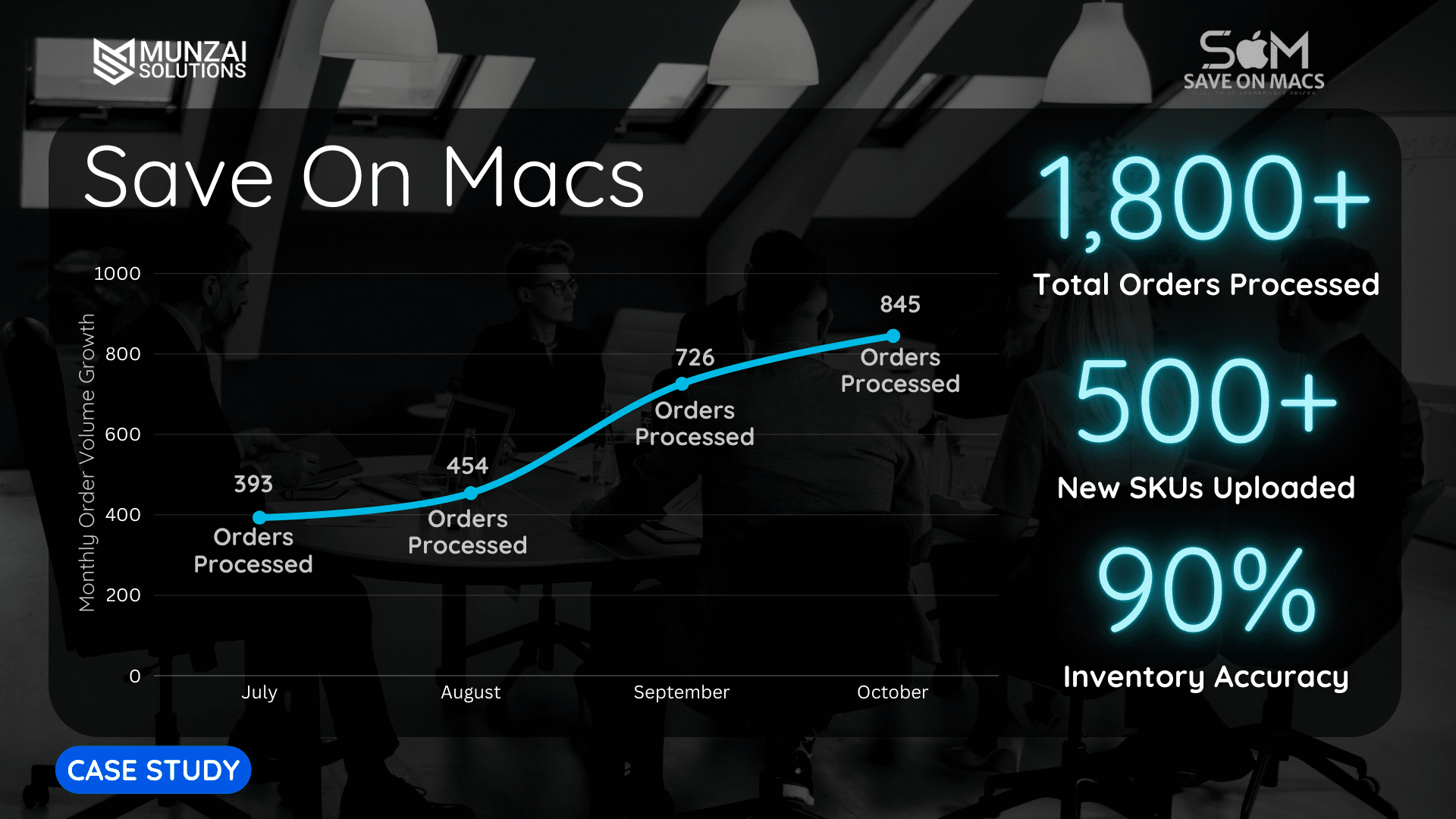
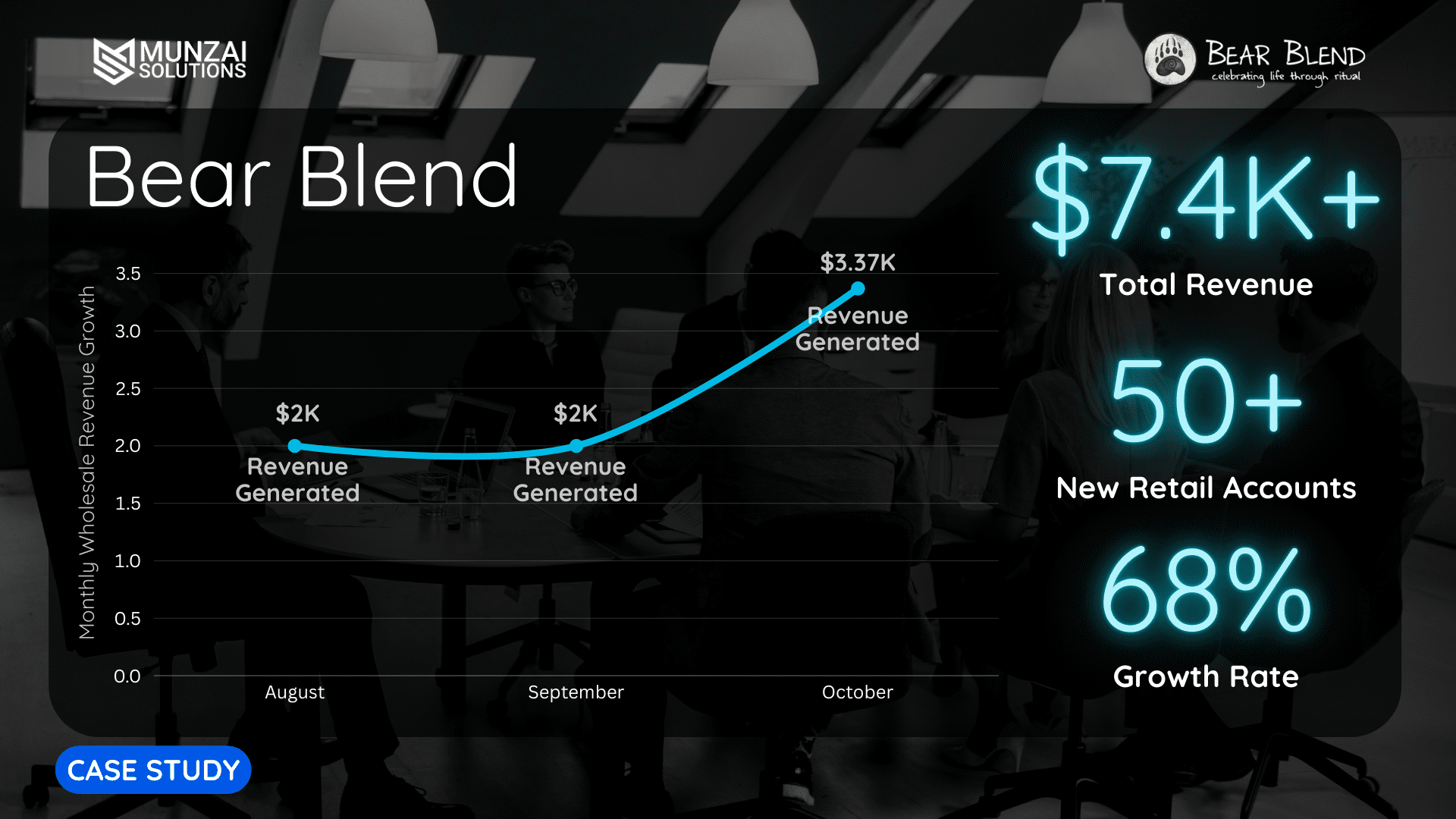
At Munzai, we’ve helped SaaS companies, IT consultancies, and industrial B2B brands evolve their funnel and unlock measurable revenue growth. It’s not theory, it’s strategy that works.
Final Thoughts: Don’t Just Capture Leads Create Demand
The B2B landscape has evolved. Relying solely on a lead funnel is like showing up to a marathon with sprinting shoes you’re missing the bigger race.
Demand generation funnels align with how modern buyers research, engage, and buy. They create lasting brand value, drive qualified pipeline, and give marketing a seat at the revenue table.
If you’re ready to stop chasing low-quality leads and start building a demand generation machine that fuels long-term growth, Munzai is here to help. Our B2B specialists will audit your current funnel and craft a strategy that meets your goals now and into the future.
FAQs:
1. What is the difference between demand generation and lead generation?
Demand generation is a broader, long-term strategy focused on creating awareness and interest in your product or service before a prospect is ready to buy. It includes brand building, education, and nurturing across channels. Lead generation, on the other hand, is about collecting contact information (like emails) from potential buyers often through gated content or forms. Demand gen creates the interest; lead gen captures it.
2. Why is demand generation more effective for modern B2B buyers?
Modern B2B buyers prefer to do their own research, often completing 60–80% of their journey before talking to sales. Demand generation aligns with this behavior by educating and engaging buyers early through channels like LinkedIn, podcasts, blogs, and video building trust before the sales conversation ever starts.
3. Can I use demand generation and lead generation together?
Yes, absolutely. A strong B2B marketing strategy uses both, but in the right order. Demand generation builds awareness and trust, while lead generation tools capture interest once a prospect is ready. The key is to stop relying solely on lead gen and let demand gen guide the buyer journey.
4. How do I measure the success of a demand generation funnel?
Success in demand generation is measured by revenue-based metrics rather than just MQL volume. Key performance indicators include:
- Pipeline growth
- Sales-qualified opportunities (SQOs)
- Customer acquisition cost (CAC)
- Return on marketing investment (ROMI)
- Customer lifetime value (CLTV)
5. What kind of content works best for demand generation?
The best content for demand generation is ungated, educational, and platform-appropriate. This includes:
- LinkedIn thought leadership posts
- Podcasts
- YouTube explainers
- Blog articles
- Webinars and virtual events
- Case studies
The goal is to add value before asking for a conversion.
6. How can Munzai help with demand generation for my B2B brand?
At Munzai, we specialize in building full-funnel B2B demand generation strategies that drive real pipelines, not just vanity metrics. From content strategy and paid campaigns to ABM and marketing automation, we design customized frameworks that align with how your buyers think, search, and purchase. Book a free consultation today to see how we can transform your funnel.